Short Animal Stories for Kids: 10x more Than Just Bedtime Tales

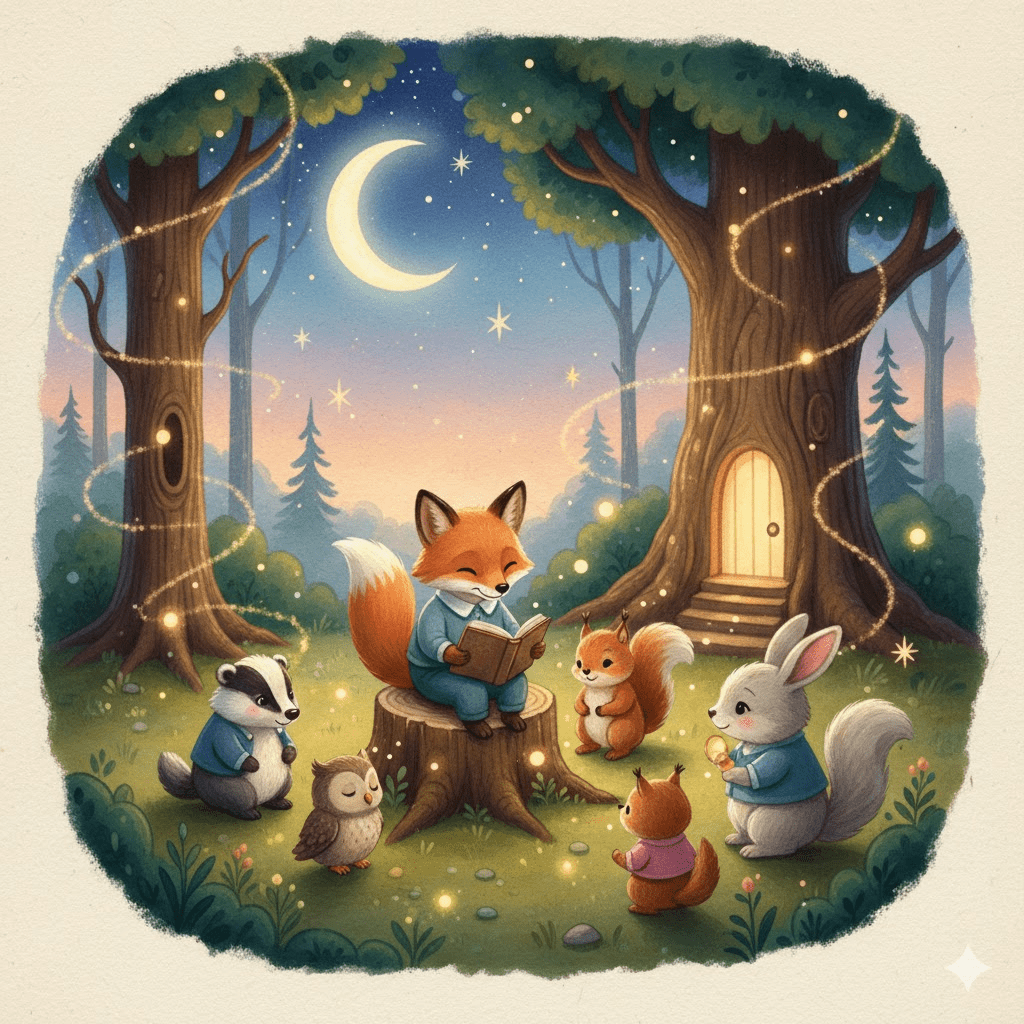
There’s a unique charm in the phrase “short animal stories for kids.” It conjures images of cozy evenings, hushed whispers, and the comforting presence of a beloved grown-up. But these simple tales, often dismissed as mere entertainment, hold a profound and often underestimated power in a child’s development.
- Table of content
- Why Animals? The Universal Language of Fur, Feathers, and Fins
- Meaningful Lessons Wrapped in Whimsy
- The Added Value: More Than Just a Story
- Conclusion: Short animal stories for kids
Far from just passing the time, these stories are vibrant classrooms disguised as adventures, teaching empathy, resilience, and the intricate dance of the natural world.
Why Animals? The Universal Language of Fur, Feathers, and Fins
Before delving into the “why,” let’s consider the “who.” Why do animals feature so prominently in children’s literature? The answer lies in their universality and relatability. Animals, particularly those with human-like characteristics in stories, offer a safe and accessible way for children to explore complex emotions and situations. A grumpy bear, a curious fox, a brave little bird – these characters act as stand-ins, allowing children to project their own feelings and experiences without the direct confrontation of human characters.
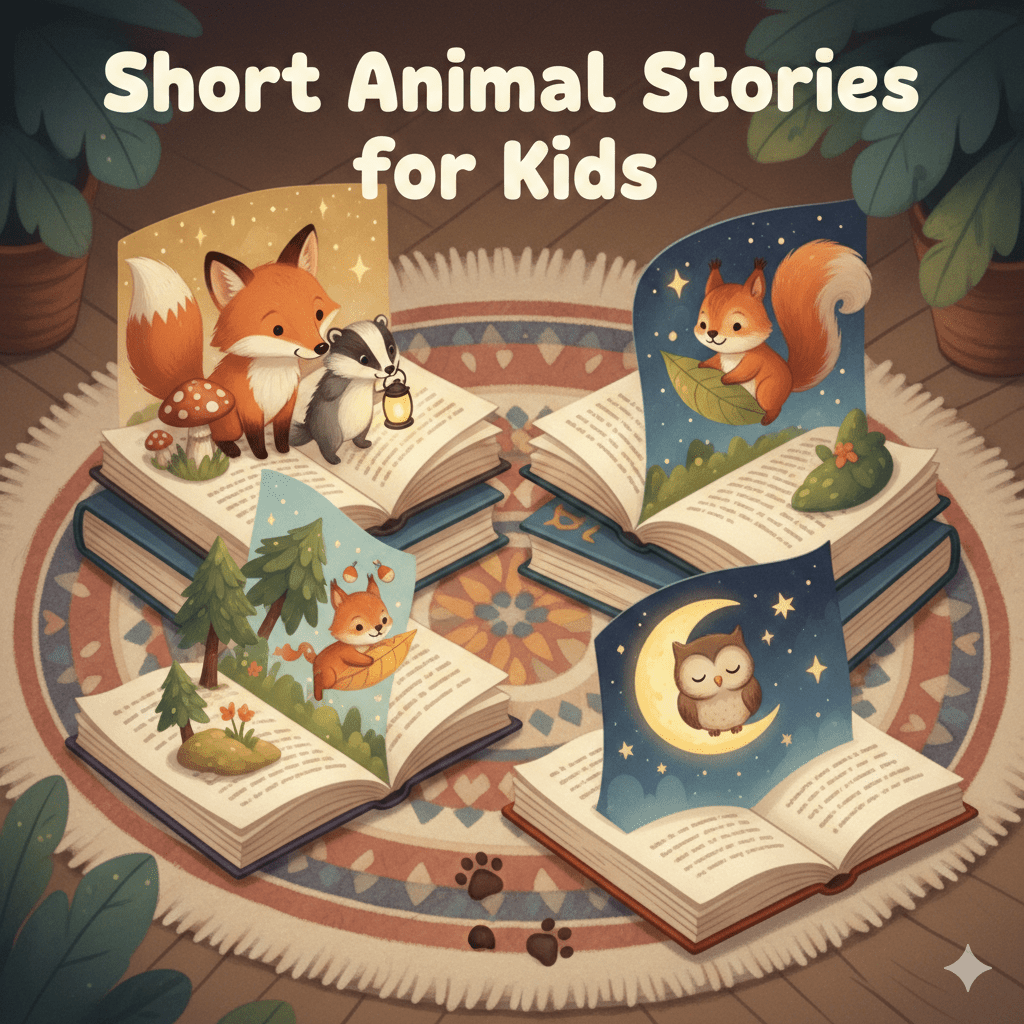
Animals bridge cultural divides, speak a language understood by all young hearts, and provide a gentle introduction to diversity in the most natural form. They also tap into a child’s innate curiosity about the world around them, making learning an exciting expedition rather than a chore.
Meaningful Lessons Wrapped in Whimsy
The true magic of short animal stories for kids lies in their ability to deliver meaningful life lessons in an engaging and digestible format. Unlike direct instruction, which can feel preachy, stories allow children to discover truths organically.
1. Empathy and Perspective-Taking: When a child listens to a story about a little duck who is scared to swim, or a squirrel who has lost his nuts, they are invited to step into that character’s tiny paws (or wings). This act of imagining another’s feelings is the foundation of empathy. They learn to understand joy, sadness, fear, and triumph from a perspective outside their own, fostering compassion and kindness towards others, both human and animal.
2. Understanding Consequences and Choices: Many animal fables, like “The Tortoise and the Hare,” brilliantly illustrate the impact of choices. The hare’s arrogance leads to his defeat, while the tortoise’s perseverance earns him victory. These stories provide clear, simple examples of cause and effect, helping children understand that actions have consequences without needing to experience every difficult lesson firsthand. They learn the value of hard work, patience, and humility.
3. Resilience and Problem-Solving: Animals in stories often face challenges – a lost way home, a hungry predator, or a difficult task. Watching (or hearing) how a clever fox outwits a bigger animal, or how a group of forest creatures works together to build a shelter, teaches children about perseverance and creative problem-solving. They see that even small creatures can overcome big obstacles, instilling a sense of hope and capability.
4. Respect for Nature and the Environment: Stories about the forest, the ocean, or the desert often subtly weave in themes of ecological balance and the importance of respecting the natural world. A tale about a beaver building a dam or a bee pollinating flowers introduces children to the interconnectedness of ecosystems, fostering an early appreciation for conservation and the environment.
5. Emotional Literacy: Dealing with big emotions can be overwhelming for young children. Animal characters often embody these emotions in a way that is easy for kids to grasp. A “grumpy bear” helps a child understand anger, while a “lonely wolf” can represent sadness. By seeing these emotions played out safely in a story, children begin to recognize and articulate their own feelings, contributing to healthier emotional development.
The Added Value: More Than Just a Story
The value added by short animal stories for kids extends far beyond the explicit moral of each tale. It encompasses the entire experience of storytelling itself.
1. Language Development and Vocabulary Expansion: Exposure to rich narratives and varied vocabulary, even in simple stories, significantly boosts a child’s language skills. They learn new words, understand sentence structure, and develop their listening comprehension. The rhythmic patterns of many children’s animal stories also aid in phonological awareness, a crucial pre-reading skill.
2. Imagination and Creativity: Animals in stories often inhabit fantastical worlds or embark on improbable adventures. This sparks a child’s imagination, encouraging them to visualize the scenes, the characters, and the actions. This imaginative play is vital for creative thinking and problem-solving in all areas of life. After a story about a flying pig, a child might invent their own magical creature, expanding their creative horizons.
3. Bonding and Connection: Sharing a story creates a powerful bond between the storyteller and the listener. It’s a shared experience of wonder, laughter, and sometimes quiet contemplation. This ritual strengthens family connections, builds trust, and creates lasting cherished memories. The comfort and security felt during storytelling are invaluable for a child’s emotional well-being.
4. Cognitive Development: Following a plot, remembering characters, predicting outcomes, and understanding themes all contribute to a child’s cognitive growth. Stories help develop critical thinking skills, memory recall, and the ability to sequence events logically.
5. Preparation for Life’s Challenges: By seeing animal characters navigate difficulties and triumphs, children implicitly learn coping mechanisms and strategies for dealing with their own small (and eventually larger) life challenges. They build an internal library of possible responses and outcomes, equipping them with a sense of preparedness.
Frequent Questions & Answers
Why are animals often the main characters in children’s short stories? Using animal characters allows children to explore complex human emotions and social situations from a safe, imaginative distance. Anthropomorphized animals act as “neutral” figures that bypass a child’s personal biases or insecurities, making moral lessons easier to digest. This creative choice also taps into a child’s natural curiosity and innate affinity for the natural world. By seeing a brave mouse or a kind elephant, children more readily internalize virtues like courage and empathy.
2. At what age should I start reading short animal stories to my child? You can begin introducing simple animal stories as early as infancy to help with sensory development and sound recognition. By ages 2 to 3, short narratives with animal sounds and repetitive patterns become highly effective for language acquisition and building focus. As children reach preschool age, these stories serve as the primary vehicle for teaching basic cause-and-effect and social cues. Starting early ensures that the habit of reading is associated with comfort and play long before formal schooling begins.


3. Do animal stories help children develop better real-world empathy? Research suggests that when children identify with the struggles of an animal character, it strengthens their ability to recognize feelings in others. These stories provide a “practice ground” for empathy, allowing kids to understand that every living creature has needs, fears, and joys. This emotional connection often translates into a more compassionate attitude toward both pets and peers in their daily lives. Ultimately, these tales serve as a bridge between a child’s internal world and the diverse experiences of others.
Conclusion: Short animal stories for kids
In a world increasingly dominated by screens, the simple, profound act of sharing short animal stories for kids remains an indispensable tool for nurturing young minds and hearts.
They are not just tales of furry, feathered, or scaled creatures; they are…
- blueprints for character,
- catalysts for compassion and
- gateways to a lifelong love of learning.
So, the next time you pick up an animal story, remember the immense, unseen magic you’re unfolding for the little one beside you.
Sources
Child Development Institute (2025) – “The Role of Animal Characters in Early Childhood Literacy.”
Zero to Three Organization – “Early Literacy and Brain Development Milestones.”
Psychology Today – “How Fables and Animal Tales Shape Prosocial Behavior.”
Also read the following blog posts
Get the new Linkbuilding Guide to increase your Google ranking
Animal bedtime stories for kids review
Discovering Free Animal Stories for Toddlers
Short Animal Stories for Kids: 10x more Than Just Bedtime Tales
A “Must-Have” for thriller fans. The secret of secrets by Dan Brown
How to find a cheap kindle ebook? – The eBookWorld24 shoppers guide
Delightful easter gift eBooks for all ages: eBookworld24’s best choices