
The Ultimate Gardening for Beginners Guide: From Dirt to Delicious


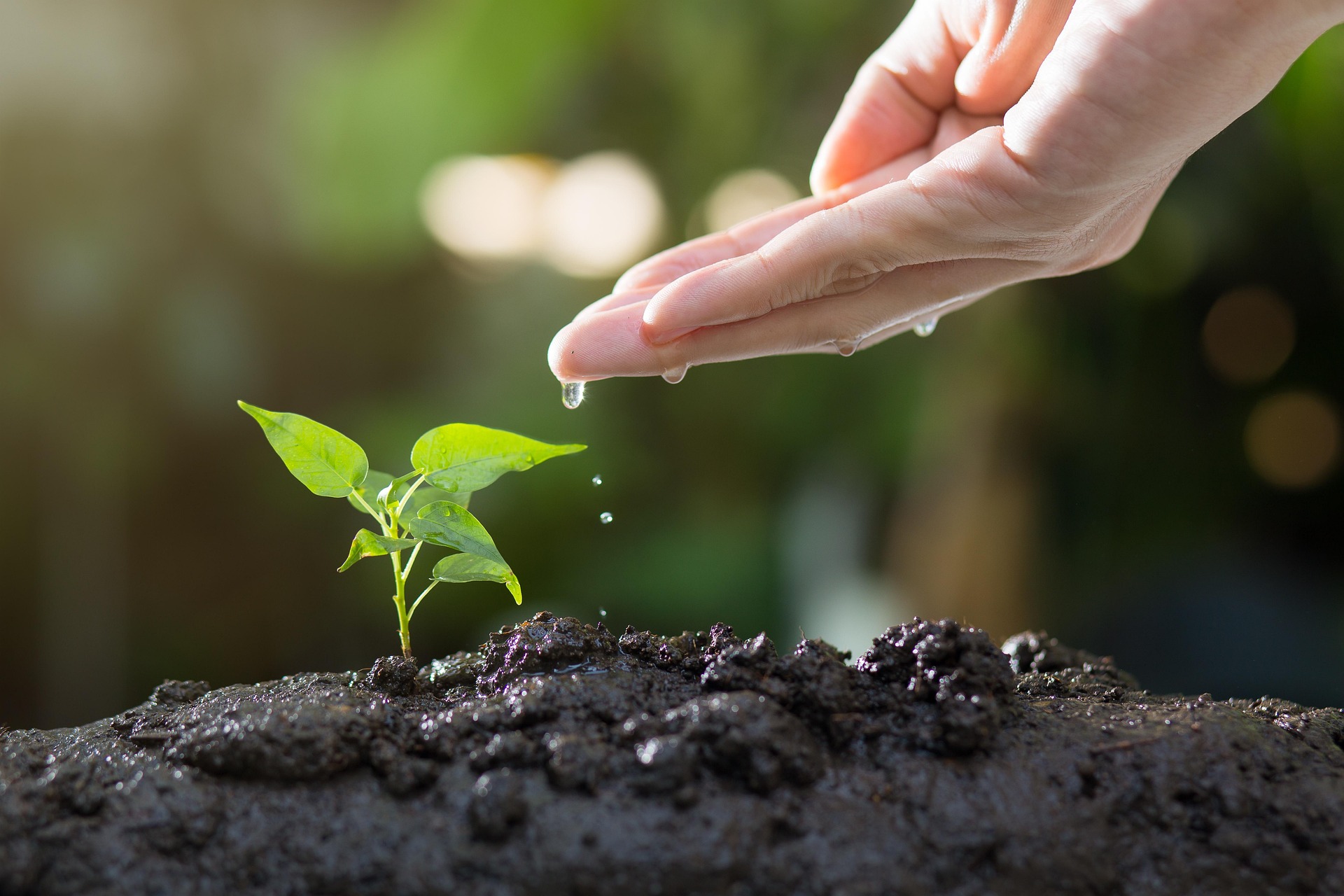
There is a unique kind of magic that happens when you press a tiny, dry seed into the earth, water it, and wait. A few days later, a vibrant green speck pushes through the soil, reaching for the sun.
If you have been wanting to start your own garden but feel intimidated by complicated terms like soil pH, microclimates, or companion planting, take a deep breath. You do not need a green thumb or a massive backyard to become a successful gardener. All you really need is a little bit of space, a handful of basic tools, and a willingness to learn from a few muddy mistakes along the way.
Let’s break down everything you need to know to start your very first garden from scratch.
1. Start Small (Trust Us on This)
The single biggest mistake most beginner gardeners make is trying to do too much at once. It is incredibly easy to get swept up in beautiful seed catalogs and imagine a sprawling backyard oasis filled with twenty different types of vegetables.
However, a large garden requires a significant amount of weeding, watering, and pest management. If you take on too much, you may quickly become overwhelmed and give up entirely.
Instead, start small. Your first garden could be:
- A collection of 3 to 5 containers on a sunny patio or balcony.
- A single 4×4-foot raised bed in your yard.
- A tiny dedicated patch of ground measuring no more than 10×10 feet.
It is infinitely better to feel proud of a thriving, small garden than to feel frustrated by a giant, messy one. You can always expand next year once you have the basics down!
2. Location is Everything: The Golden Rules of Sunlight
Before you buy any seeds or soil, go outside and observe your space. Most edible plants—especially sun-loving favorites like tomatoes, peppers, and cucumbers—need 6 to 8 hours of direct sunlight daily.
Spend a day checking on your yard or balcony every few hours. Where does the sun hit at 9:00 AM? Where is the shade by 2:00 PM?
- Full Sun Spots: Perfect for fruiting vegetables (tomatoes, zucchini, peppers) and most Mediterranean herbs (rosemary, thyme, basil).
- Partial Shade Spots (3 to 4 hours of sun): Great for leafy greens (spinach, lettuce, kale) and root vegetables (radishes, carrots), which can tolerate a bit of relief from the intense afternoon heat.
Beyond sunlight, make sure your garden spot is close to a water source. If you have to drag a heavy hose 200 feet or carry heavy watering cans up two flights of stairs, you will eventually skip watering on hot days. Keep it accessible!
3. The Secret is in the Soil
If you want healthy plants, you have to feed the soil first. Soil isn’t just dirt; it is a living ecosystem.
If you are planting directly into the ground, your soil likely falls into one of two categories:
- Clay Soil: Heavy, sticky when wet, and packs down like a brick when dry. It holds onto nutrients well but drains poorly, which can suffocate plant roots.
- Sandy Soil: Gritty and loose. It drains water instantly, meaning nutrients wash away before the plants can drink them up.
The ultimate fix for both types of soil is organic matter, specifically high-quality compost. Compost loosens up heavy clay so roots can breathe, and acts like a sponge in sandy soil to hold onto moisture. Mix a 3-inch layer of compost into your native soil before planting.


Pro Tip for Beginners: If your backyard soil is full of heavy clay or rocks, bypass the headache entirely by using raised beds or containers. Fill them with a high-quality mix of 50% potting soil and 50% organic compost. This gives your plants the perfect, nutrient-dense environment right from day one.
4. Choose “Easy Win” Plants
As a beginner, you want to build your confidence early. Skip the finicky, long-season crops like cauliflower or heirloom melons for now. Instead, pick crops that are highly resilient, grow quickly, and taste vastly superior when harvested fresh from the vine.
Here is a quick look at the best starter crops for beginners:
| Plant Type | Why It’s Great for Beginners | Days to Harvest |
| Radishes | The fastest vegetable you can grow. Super satisfying for a quick win. | 21–30 days |
| Lettuce & Greens | Forgiving of partial shade. You can snip the outer leaves and they keep growing back. | 45–50 days |
| Bush Beans | Highly productive and don’t require massive trellises to climb. | 50–60 days |
| Cherry Tomatoes | Much tougher and more disease-resistant than massive beefsteak tomatoes. | 60–75 days |
| Zucchini | Infamous for producing massive yields from just one or two plants. | 50–60 days |
When shopping, you will choose between seeds and transplants (young baby plants from a nursery).
- Start from seed: Root vegetables (carrots, radishes) and beans, because they do not like having their roots disturbed by moving.
- Buy as transplants: Tomatoes, peppers, and herbs. It gives you a 6-week head start on the growing season!
5. Master the Art of Watering
Watering seems simple, but it is actually where most beginner plant deaths occur. The absolute golden rule of watering is: Water deeply and less frequently, rather than giving your plants a light sprinkle every day.
When you water deeply, you encourage the plant’s roots to grow down deep into the earth to find moisture, making the plant sturdy and drought-resistant. Light, daily sprinkles keep the roots right at the surface, where they can quickly bake and dry out in the midday sun.
The Finger Test
Before you water, push your index finger about one inch deep into the soil.
- If it feels moist and cool, skip watering and check again tomorrow.
- If it feels dry and warm, water thoroughly until the soil is soaked. If you are using containers, water until you see it running out of the drainage holes at the bottom.
Always aim your watering can or hose at the base of the plant (the soil), not over the leaves. Wet leaves invite fungal diseases and mildew, while watering the soil ensures the moisture goes straight to the roots where it is needed.
6. A Simple 5-Minute Weekly Routine
A thriving garden does not require hours of backbreaking labor every day. It just requires consistency. Setting up a simple, short routine a few times a week will keep problems from getting out of hand.
- Check for Weeds: Pull weeds when they are tiny. If you wait, their roots will wrap around your vegetables and steal their water and food.
- Look Under the Leaves: Once a week, flip a few leaves over. Look for tiny clusters of insect eggs or small pests like aphids. If you catch them early, you can blast them off with a sharp stream of water from the hose or spray them with a mild insecticidal soap.
- Mulch Your Beds: Lay down a 2-inch layer of straw, shredded leaves, or wood chips over your bare soil. Mulch acts like a protective blanket—it blocks weeds from growing and keeps the sun from evaporating all your water.
Gardening for Beginners: Embrace the Experiment
The most important piece of advice for any new gardener is to remember that gardening is a giant experiment. Even the most experienced master gardeners lose plants to unexpected frosts, hungry pests, or weird weather patterns.
If a plant dies, do not view it as a failure. View it as a data point. Did it get too much water? Not enough sun? Use it as a learning experience, clear the space, and try something else. The reward of eating a sun-warmed tomato or a crisp salad that you grew entirely with your own two hands makes every bit of dirt under your fingernails completely worth it. Happy planting!