Why Calligraphy Generators is also a sales booster


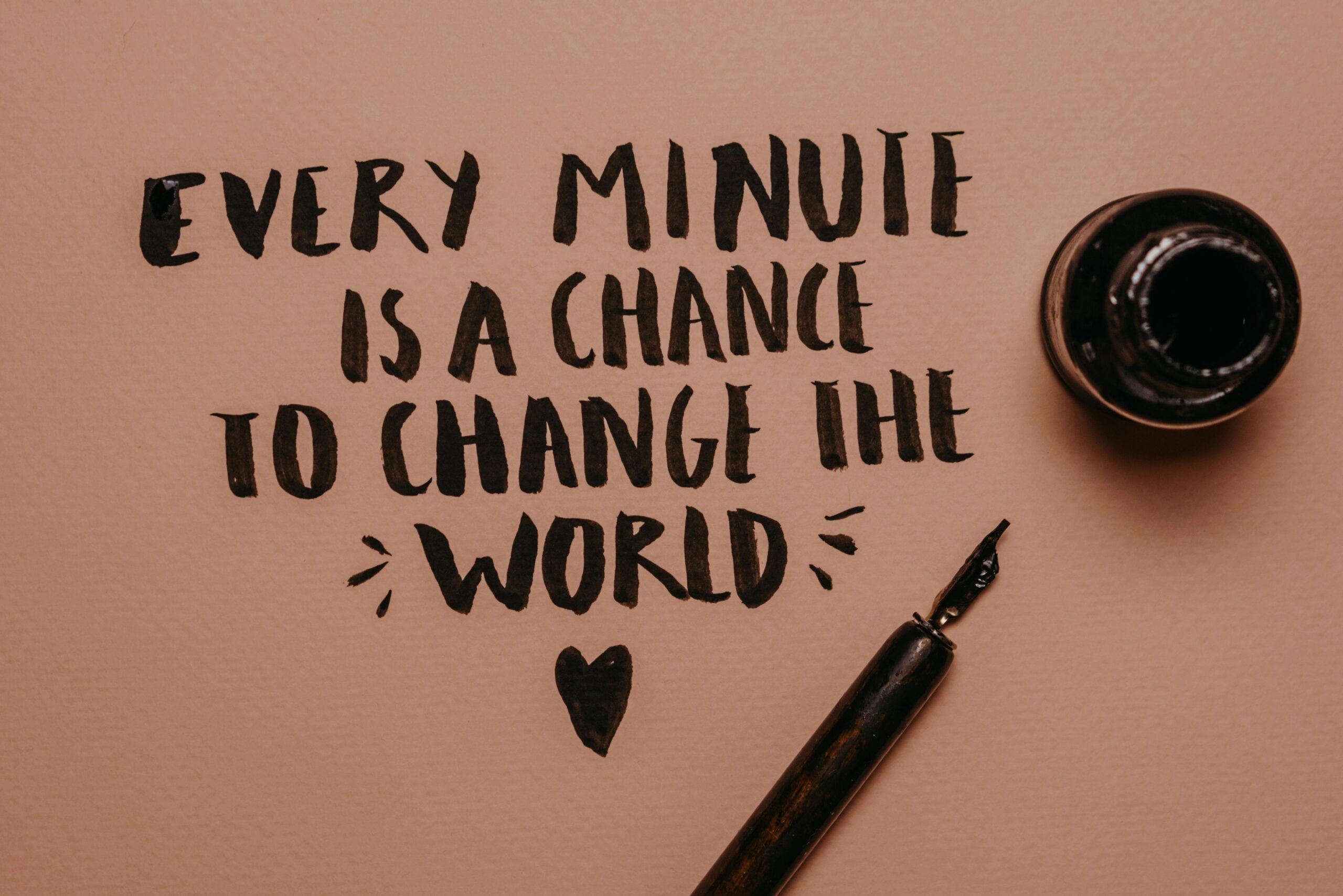
For millennia, the art of calligraphy has been defined by the intimate relationship between the scribe, the ink, and the parchment. From the precise geometry of Roman square capitals to the fluid elegance of Arabic Naskh and the expressive rhythm of Chinese brushwork, calligraphy has long stood as the pinnacle of human graphic expression.
Bridging Ancient Artistry and Modern Automation in the Digital Age
However, the dawn of the digital era has introduced a powerful new intermediary to this ancient craft: the calligraphy generator. Far from being a mere novelty, these sophisticated software platforms have re-engineered how typography is created, consumed, and appreciated across the globe.
A Cool Text Generator that might drive further revenue
While calligraphy generators focus on recreating the elegant, fluid intricacies of traditional hand-penmanship, the broader ecosystem of digital lettering also includes more expressive, novelty tools like the cool text generator.
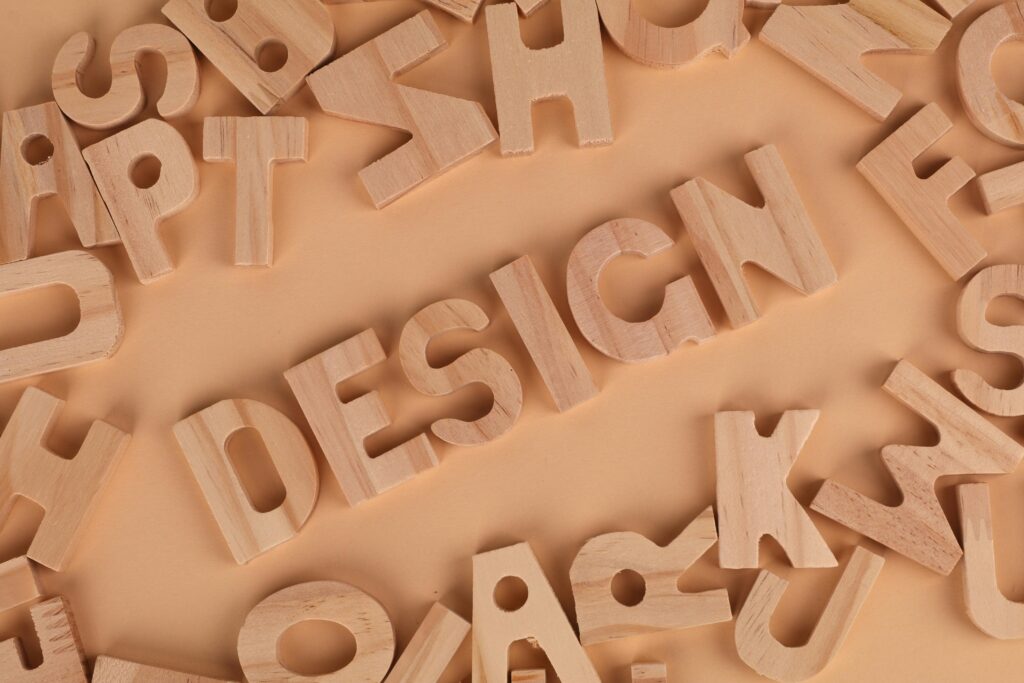
These generators cater to a vastly different visual intent; instead of mimicking historical scripts or sophisticated ink flows, they use Unicode symbols, stylized mathematical alphanumeric characters, and ASCII art to instantly transform basic text into eye-catching styles for the internet.
Frequently utilized for social media bios, gaming handles, and online forums, a cool text generator bypasses traditional font rendering entirely, converting standard keyboard inputs into struck-through, mirrored, boxed, or aesthetic “vaporwave” text that remains readable across almost any modern digital platform. This makes them the casual, pop-culture counterpart to calligraphy engines—where calligraphy tools bring timeless, classical luxury to design, cool text generators provide immediate, playful individuality to everyday digital communication.
A fancy text generator boosts your individual appearance
While calligraphy generators focus on recreating the dynamic, fluid strokes of traditional penmanship, another popular digital tool found across the web is the fancy text generator. Unlike a calligraphy generator—which utilizes advanced vector processing, context-aware ligatures, and fluid stroke logic to construct realistic script—a fancy text generator works primarily through character mapping using the Unicode standard. Unicode contains tens of thousands of mathematical alphanumeric symbols, regional characters, and stylistic glyphs that extend far beyond the standard Latin alphabet.
When a user types a word into a fancy text generator, the software instantly swaps regular ASCII characters for these exotic Unicode alternatives, producing stylized variations like 𝔉𝔞𝔫𝔠𝔶, 𝓕𝓪𝓷𝓬𝔂, or 🄵🄰🄽🄲Blocks. Because these generated outputs are composed of universal text characters rather than unique font files or vector graphics, they can be copied and pasted directly into environments that don’t support custom typography, such as social media bios, gaming chat clients, and online forum profiles. This makes fancy text generators highly effective for digital self-expression and attention-grabbing headlines, whereas calligraphy generators remain the preferred choice for formal design, branding, and high-resolution print media.
The Anatomy of a Calligraphy Generator
At its core, a calligraphy generator is a specialized digital tool designed to translate standard typographic input—typically unstyled plain text from a digital keyboard—into highly stylized, decorative script that mimics the look and feel of traditional hand-lettering.
In the early days of personal computing, this capability was strictly limited to static TrueType or OpenType fonts that simply repeated the exact same character design for every stroke. True calligraphy, however, is fundamentally defined by its organic variability, the subtle fluctuations of pressure, line thickness, angle, and the fluid, reactive connections between consecutive letters.
Modern calligraphy generators have evolved far beyond those rudimentary font-picking tools. Advanced contemporary systems utilize dynamic vector rendering engines, contextual alternate programming, and fluid-simulation algorithms. When a user types a word into a high-tier generator, the software does not merely place digital characters side by side.
Instead, it dynamically analyzes the specific letter pairings (adjusting kerning and ligatures), alters the entry and exit strokes based on the adjacent letters, and applies algorithmic pressure curves to simulate the behavior of a physical flexible nib, broad-edge pen, or pointed brush. This technological leap allows individuals without decades of manual practice to harness the aesthetic power of sophisticated penmanship instantaneously.


Democratization, Utility, and Commercial Appeal
The rapid proliferation of calligraphy generators is driven by a profound shift in consumer demand and digital design paradigms. In a visual landscape currently dominated by sterile, geometric sans-serif fonts optimized for mobile screen readability, humanized, organic typography has become highly premium. Graphic designers, branding experts, event planners, and social media content creators frequently turn to calligraphy generators to inject authenticity, elegance, and emotional resonance into their visual media.
Consider the wedding and event planning industry. Historically, hiring a master calligrapher to hand-address envelopes, design place cards, and construct custom signage was a luxury reserved exclusively for high-budget luxury events. A calligraphy generator democratizes this aesthetic luxury. It allows organizers to generate hundreds of highly individualized assets in a fraction of the time and cost, outputting clean vector paths that can be directly fed into digital die-cutters, laser engravers, or high-end letterpress printers. Beyond commercial utility, these generators serve as invaluable instructional tools. Aspiring calligraphers routinely use digital generators to study letterforms, analyze structural spacing variations, and print custom practice guidelines tailored to specific historical hands like Copperplate, Gothic Blackletter, or Italic script.
Evaluating the Digital Canvas: A Comparative Analysis
To truly understand the practical capabilities and varied approaches of these tools, it is illuminating to contrast three prominent software solutions currently shaping the digital lettering ecosystem: Fontilo, Calligraphr, and FontForge. While each operates within the broader realm of custom typography, their target demographics, architectural frameworks, and algorithmic complexities vary significantly.
| Software Platform | Core Functionality & Type | Key Features & Advantages | Ideal Target Audience |
| Fontilo | Web-Based Contextual Generator & Engine | Offers a highly interactive, fluid preview matrix. Excels at generating immediate, variable cursive scripts with automated swashes and contextual ligatures that adapt dynamically to text input. Minimal technical barrier to entry. | Social media managers, branding specialists, event planners, and casual hobbyists seeking swift, elegant calligraphy assets. |
| Calligraphr | Handwriting-to-Font Converter | Allows users to print a physical or digital template, hand-draw their own unique calligraphy strokes, scan the template, and instantly generate a fully functional OpenType font (.otf) with randomized character variations. | Illustrators, traditional scribes transitioning to digital mediums, and designers wanting to serialize their exact penmanship. |
| FontForge | Open-Source Professional Font Editor | A powerhouse desktop application providing absolute vector control. Features deep Bezier curve manipulation, manual ligature configuration, and precise script programming. Highly customizable but possesses a steep learning curve. | Professional type designers, digital calligraphers, and software engineers specializing in custom font engineering. |
Technological Paradigms: From Presets to Pure Customization
As demonstrated by the comparison above, the software landscape accommodates completely different philosophies of text generation. Tools like Fontilo represent the modern, user-centric paradigm. They bypass the complex, traditional process of font installation or vector node editing by hosting computational lettering engines directly in the browser. Users can manipulate structural parameters such as slant angle, stroke weight, ink bleed effects, and baseline waviness in real-time. This structural approach shifts the user’s role from a tedious creator of shapes to an efficient curator of styles, maximizing creative output without sacrificing visual flair.
Conversely, tools like Calligraphr bridge the analog-digital divide by using optical image-recognition algorithms to isolate contours from scanned ink templates. This technique preserves the idiosyncratic imperfections of human hands—such as slight tremors or unique ink pooling—which purely mathematical algorithms often filter out.
At the apex of technical complexity sit professional open-source vector suites like FontForge, where calligraphy is broken down into its raw mathematical foundations: Bezier handles, control points, and OpenType feature tables. In FontForge, a designer manually scripts the precise code dictating how letters link together under specific contextual rules. This allows for the creation of intricate, multi-layered blackletter or copperplate font families capable of executing complex typographic acrobatics across any modern word processor.
The Future: AI and the Preservation of the Written Word
The horizon of calligraphy generation is inevitably intertwined with Artificial Intelligence and machine learning. Neural networks are currently being trained on massive corpora of historical manuscripts to learn the stylistic DNA of long-dead master scribes. Future iterations of generators will not merely follow predefined vector rules; they will understand the historical and emotional context of the text input, adjusting the drama, length, and flourish of a stroke based on the meaning of the words being written.
While traditional purists occasionally argue that digital automation dilutes the sacred, meditative nature of manual calligraphy, the reality is far more symbiotic. Calligraphy generators do not replace the human hand; rather, they preserve and amplify its cultural reach. By translating complex, centuries-old aesthetic principles into modern computational code, these tools ensure that the elegance of stylized penmanship remains vibrant, accessible, and deeply relevant in an increasingly digital world. Whether utilizing the instantaneous, adaptive engine of Fontilo for rapid commercial branding, archiving personal handwriting via Calligraphr, or engineering precise vector families in FontForge, calligraphy generators stand as a testament to human ingenuity—ensuring the timeless beauty of written script flourishes across tomorrow’s digital landscapes.
Also read the following recommended blog posts
Landing page builder: Is the TurboSales Page Builder your new tool
Why “SEO for ChatGPT” by FastSEOHub is a Game-Changing AI Tool